
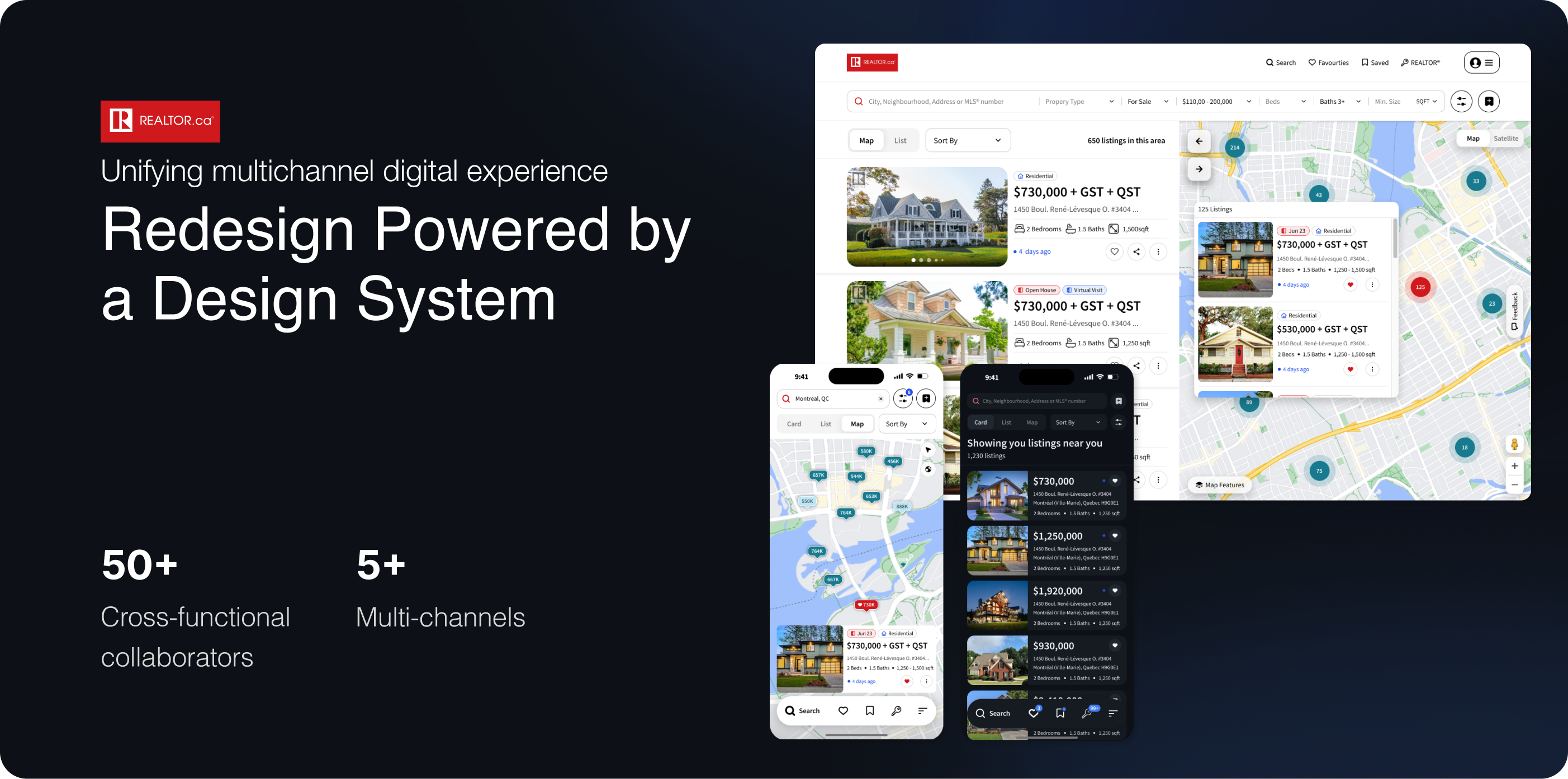
Realtor.ca .
Realtor.ca
.
Realtor.ca
.
Realtor.ca
. Realtor.ca .
e sf
Overview
Redefining Realtor.ca with consistency and scalability
Realtor.ca is the most popular real estate platform in Canada, serving 10 million Canadians monthly and 160,000 Realtors. Its mobile app has over 500K downloads and a 4.5-star rating from 65K reviews.
When I joined, the new R8 design system was in its early stages. My role was to collaborate with fellow designers to develop the system for the platform’s redesign.
Role: Product Designer
Tools: Figjam, Figma, Adobe Suite, DevOps, Usertesting.com
Time: 2024
Team: 2 UX Designers, UX Researcher, 2 Product Designers
Project Goals:

Enhance product scalability while ensuring a seamless and consistent user experience across all channels.

Enhance operational efficiency for both internal teams and external partners.

Meet market demand for a user-centered digital real estate experience and boost user retention.

Establish a new brand identity to boost public trust.
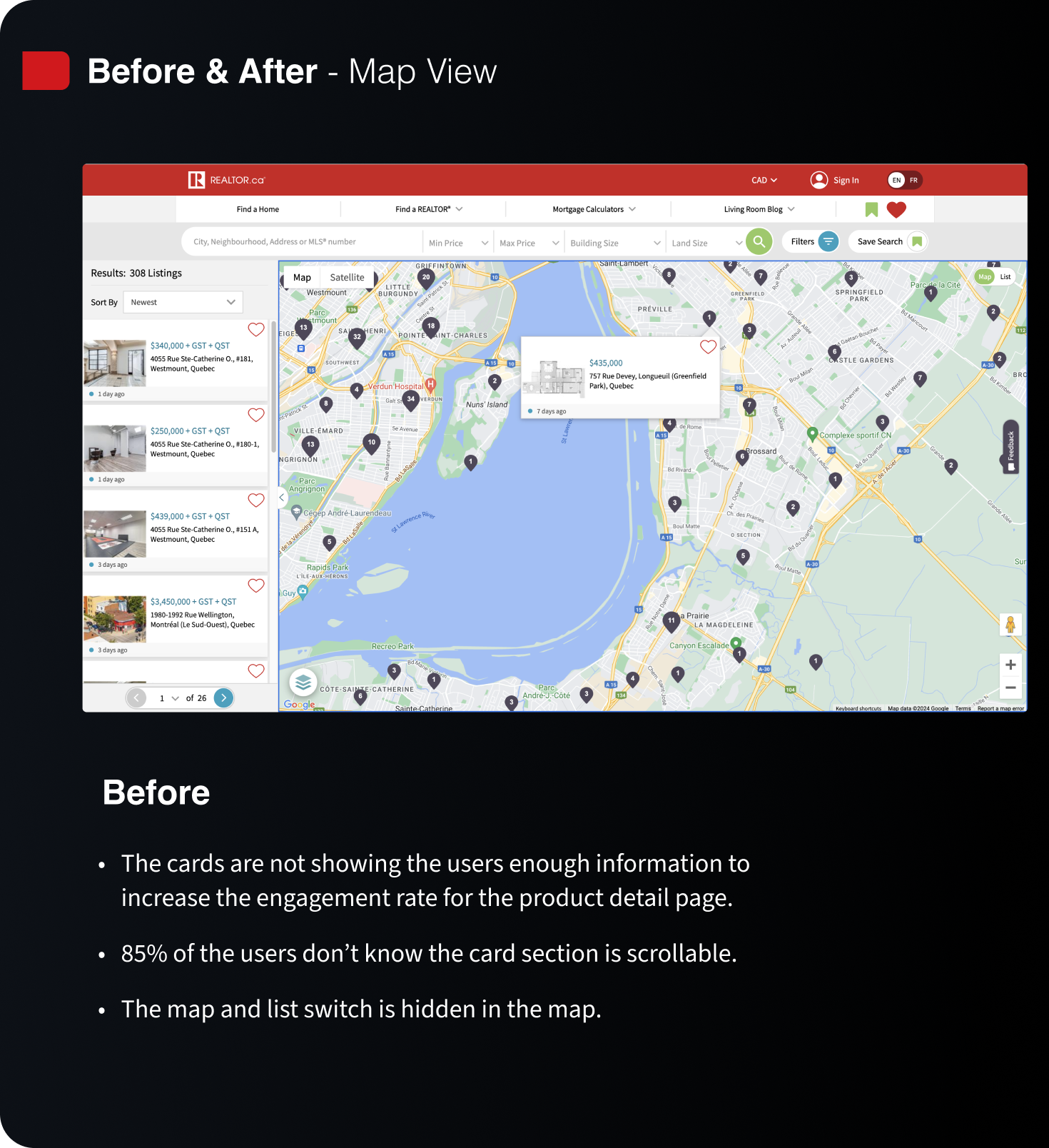
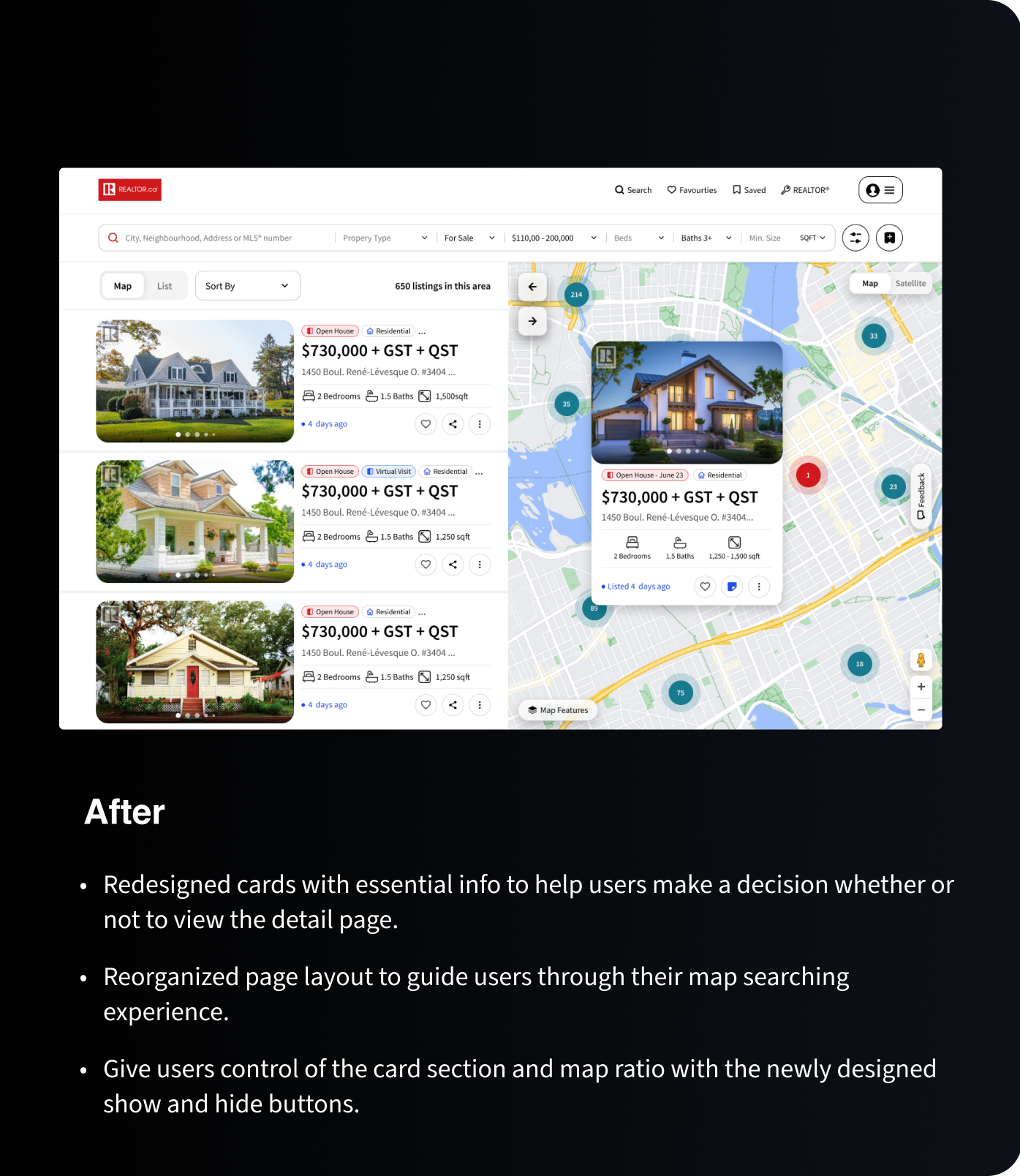
Challenges
Disconnected multichannel digital experience
Working within a large organization of over 200 employees presents several unique challenges:
- Platform Inconsistencies: Separate web and mobile development teams lead to discrepancies in user experience and interface.
- Design Fragmentation: A lack of a single source of truth results in lost design decisions when developers make independent changes.
- Disconnected Teams: The design team must route through project managers to connect with the development team, causing communication delays.
- Limited Accessibility: Accessibility concerns are not fully integrated into the new design process.
My Approaches
Teamwork makes the dream work
To tackle the challenges, the following approaches were implemented ↓
1. 1:1 Stakeholder Interviews:
Understanding current working relationships with the marketing, QA team and gathering insights from developers and project managers.
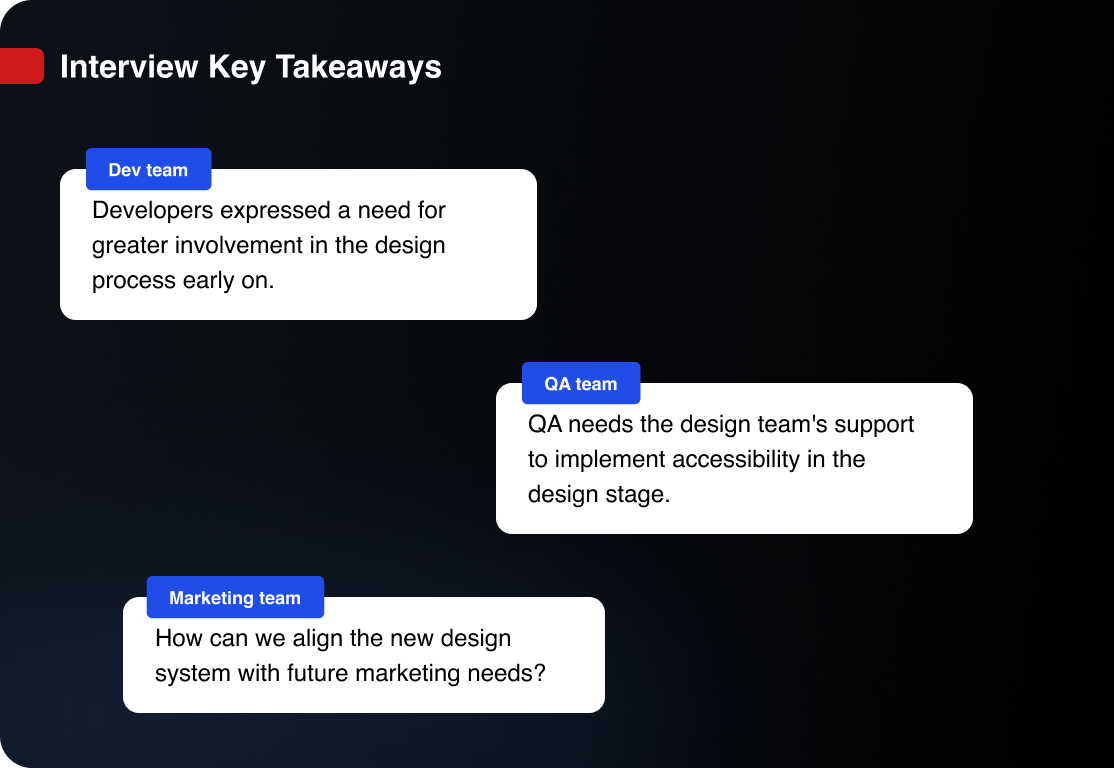
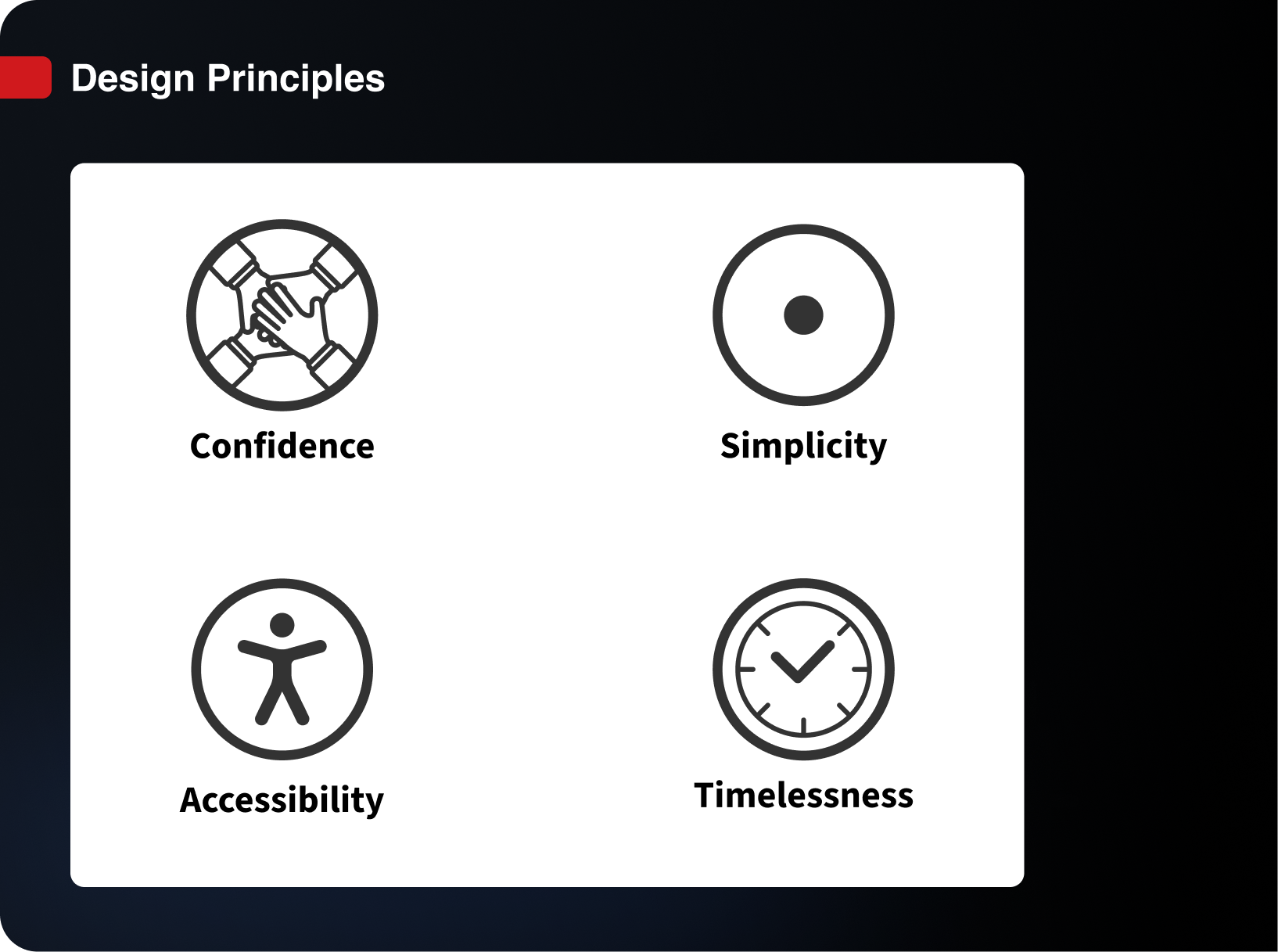
2. Collaborative Design Principles:
Establishing a shared Design Principles to guide the overall product descion making.
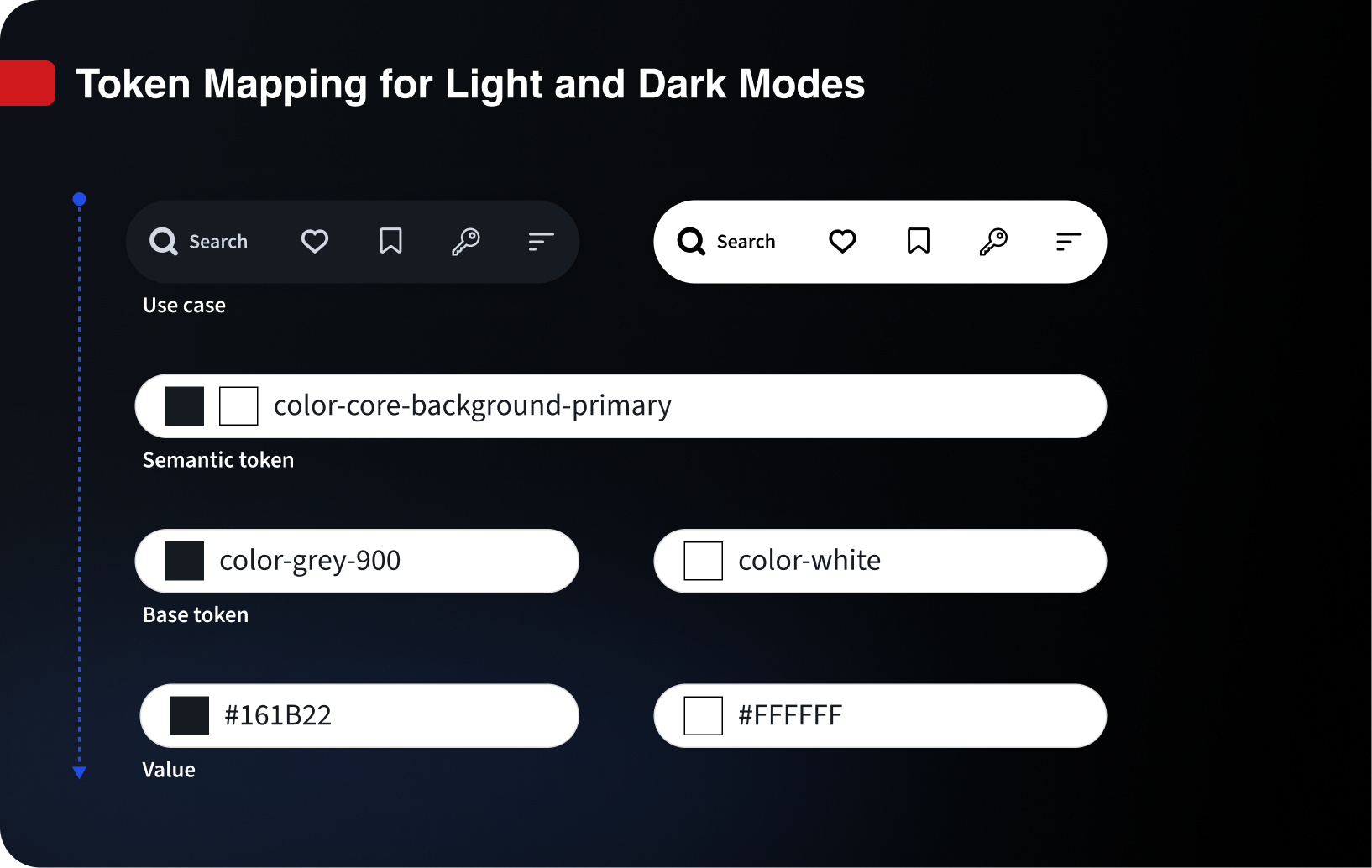
3. Early Collaboration on Tokenization:
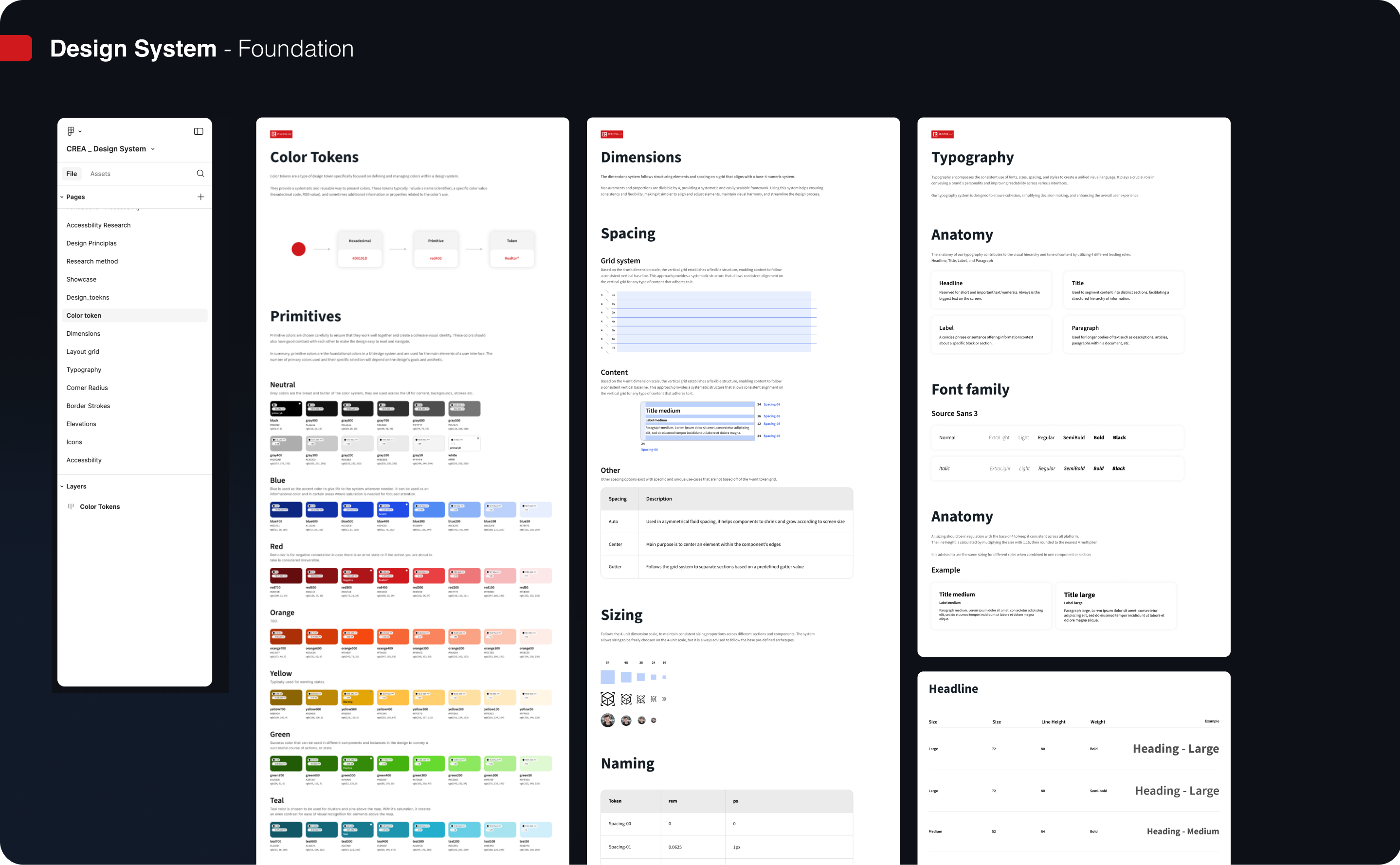
Working with the development team to define token structures and naming conventions from the start.
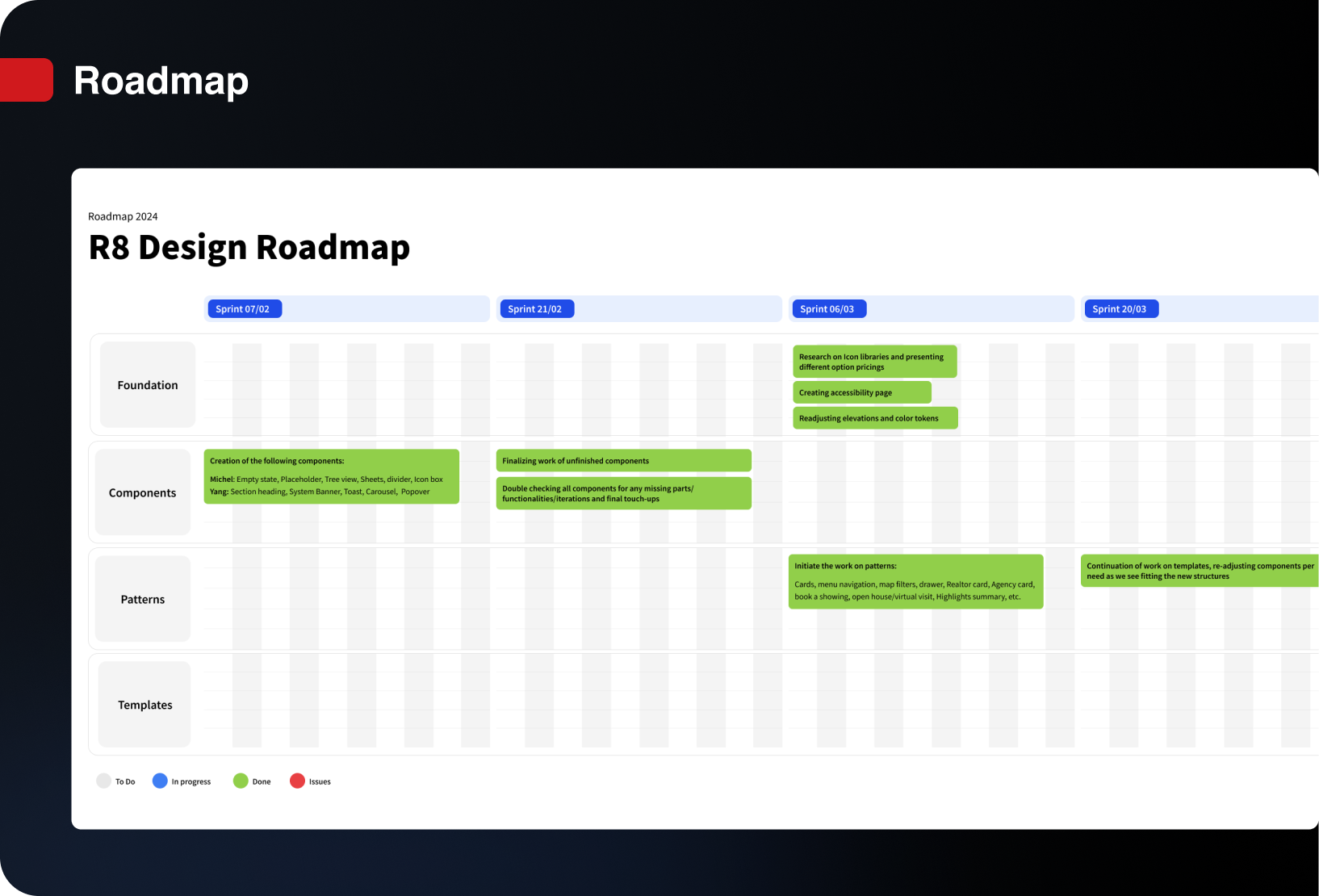
4. Agile Methodologies:
Operating within Agile frameworks and sprint cycles to maintain flexibility and iterative improvement.
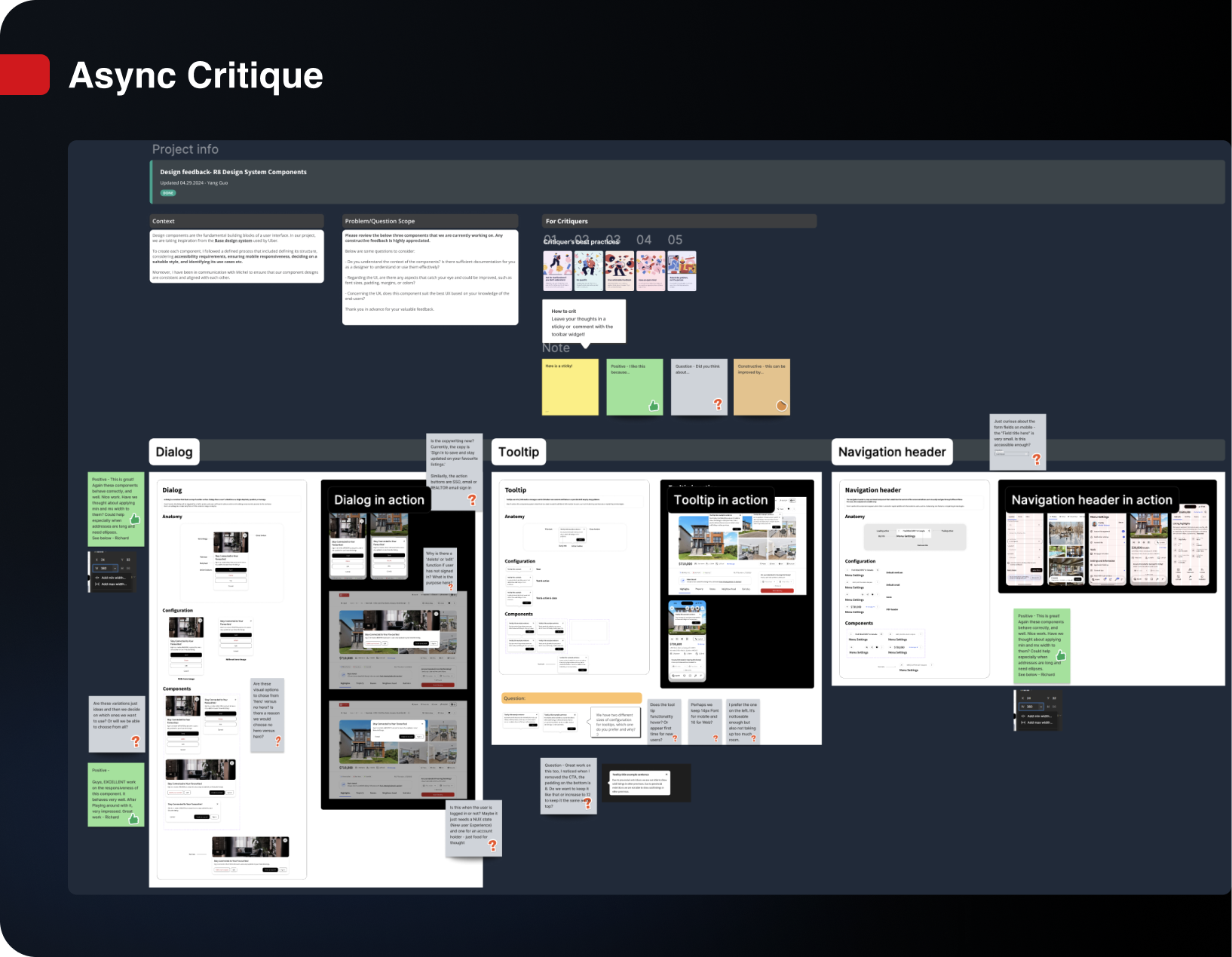
5. Building Components Based on Real-World Context
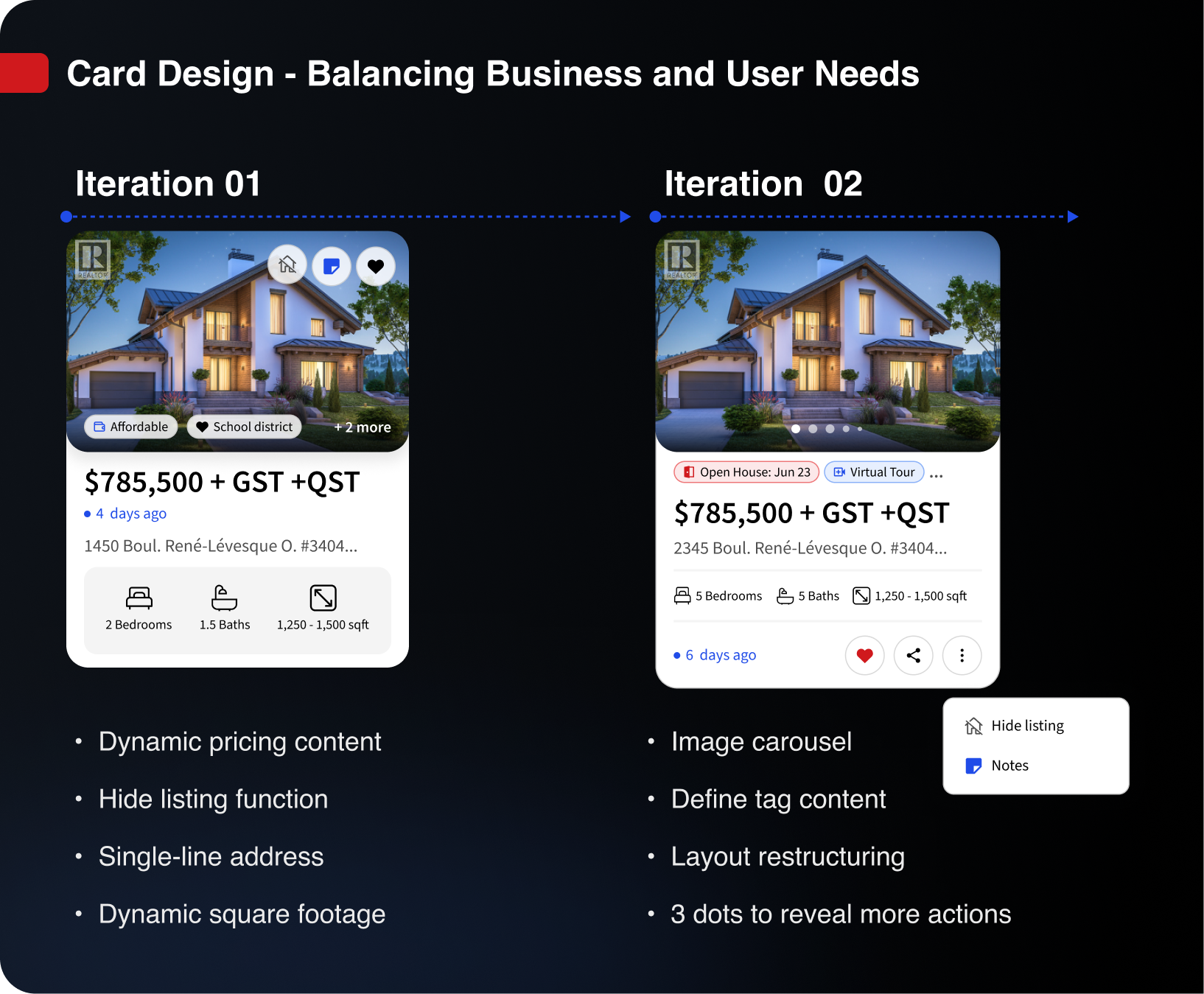
-Creating new components based on existing use cases, with a strong focus on cross-platform adaptation.
-Leading critique sessions to iterate on designs and foster team trust.
6. Shaping User Experiences with User Feedback and Analytics:
Using UserTesting.com and Google Analytics to drive design decisions informed by user feedback.

7. Aligning User Needs and Business Goals Through Collaboration:
Ensuring continuous alignment between user needs and business requirements through proactive communication with project managers, user researchers, and other stakeholders.
Impact
Empowering collaboration through a unified design system
Leading the design system and co-creating foundation and 50+ components using the Atomic design methodology.
Leading the accessibility initiative within the team, working with Level Access and the QA department, significantly increasing accessibility awareness within the organization.
Bridging the cross-functional collaboration between design, research, QA, development, and product management teams.
Advocating the impact & scope of the design system - emphasizing that the DS is NOT only for designers.
What I Learned
Design systems are all about people!
Be a stronger advocate for the principle: "Design is for PEOPLE!"
Involve developers more frequently: We lacked access to the development team for collaboration during 80% of the product cycle.
Improve communication alignment: Work more closely with project managers to clearly define business needs and edge cases.
Promote inclusive design processes: Our team had mixed views on adopting Agile methodology, highlighting the need for full team participation in great design processes.